
November 12, 2026
On October 27, Western Monarch Count volunteers tallied 365 monarchs at the Pismo State Beach Monarch Butterfly Grove. During last fall's early-season survey, the same grove held 235. The mid-season survey window opens this Saturday, November 14. Last season's peak figure of 471 was dated November 22, 2025. So the number Pismo will use to describe this winter will probably be taken in the next three weeks, and the grove starts that stretch with more butterflies than it had at this point last year.
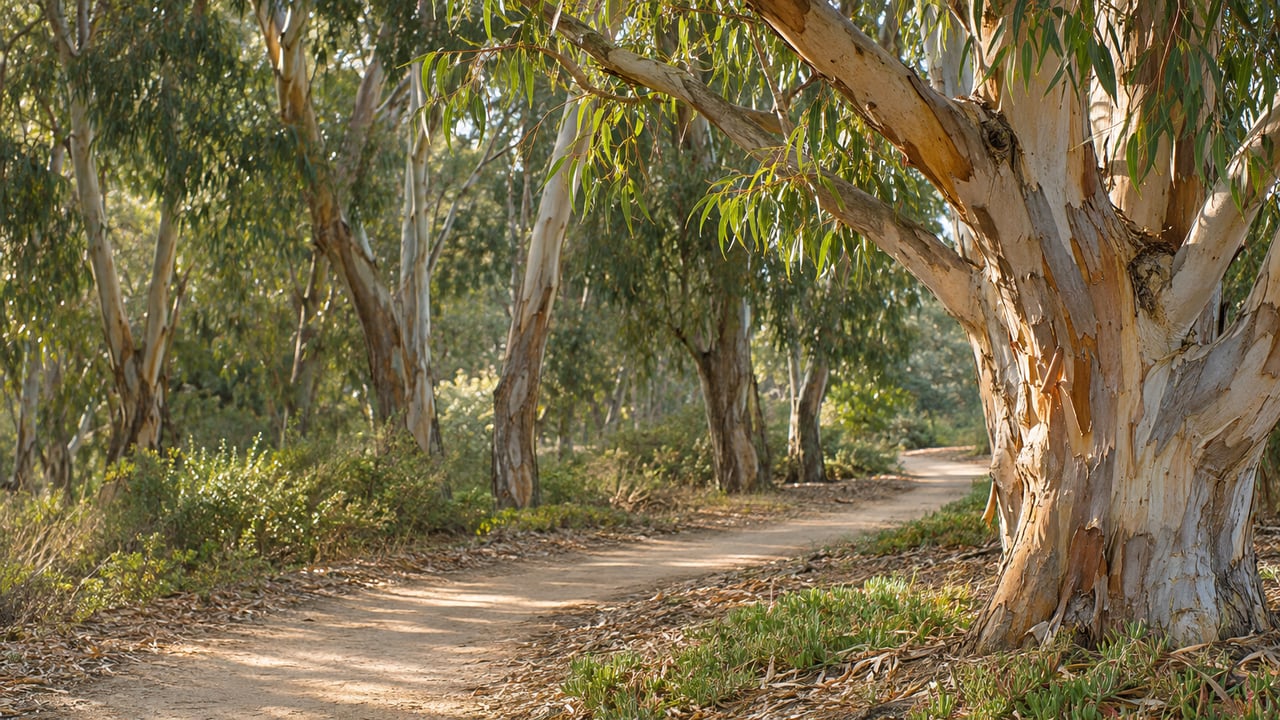
For anyone who drives Dolliver Street every week, the eucalyptus at 400 S. Dolliver St. is easy to stop noticing. Between now and early December, it deserves a planned visit.
An early-season count only means something next to the grove's history, and Pismo's history swings hard. The historical count table kept by Experience Pismo Beach runs back to 1990:
| Season | Pismo grove count |
|---|---|
| 1990–91 | 230,000 |
| 1995–96 | 150,000 |
| 1997–98 | 110,000 |
| 2020–21 | 288 |
| 2021–22 | 20,871 |
| 2022–23 | 24,128 |
| 2023–24 | 16,347, counted December 13, 2023 |
| 2024–25 | 556 |
| 2025–26 | 471, as of November 22, 2025 |
| 2026–27 | 365, early-season count on October 27, 2026 |
The grove went from 288 to more than 20,000 in a single year, so a low stretch is not a permanent level. The last two seasons topped out in the hundreds. Against that baseline, a late-October count of 365 already equals about three-quarters of last season's peak, and the main arrival period has barely started.
The statewide picture explains why one grove's numbers draw attention. The Xerces Society's January 29, 2026 release reported 12,260 monarchs across 249 sites for the 2025 mid-season count, the third-lowest statewide total since monitoring began. Pismo's 471 was part of that total. By the late-season survey, which ended January 11, 2026, the statewide figure had dropped to 6,464 monarchs at 193 sites. Preliminary early-season numbers for this fall show nearly 5,000 monarchs at more than 190 sites statewide. The Pismo Beach visitor bureau says the grove is "off to one of the strongest starts on the California coast."
The Western Monarch Count runs three survey windows each season. For 2026–27 they fall on these dates:
The Western Monarch Count now calls the November survey "mid-season," and the window still covers Thanksgiving week. The timing follows the butterflies. According to the Pismo Beach monarch page, clusters usually build through mid-to-late November as temperatures fall and the last migrants reach the coast. The visitor bureau plans to post the grove's next number once it is in, and final verified results come out in January.
Last year's peak date fits that pattern. The 471 figure was dated November 22, 2025, inside the mid-season window and the weekend before Thanksgiving. The same page calls late November through January the best viewing period, and monarchs often stay into February when the weather cooperates. A visit during the second half of November lines up with both the clusters forming and the survey that will define the season.
Once the date is set, the hour matters almost as much. On cool mornings, monarchs stay in tight clusters high in the eucalyptus, where they can look like clumps of dry leaves. When the sun warms the grove, usually by late morning, they open their wings and drift through the trees. Here is how a weekend visit fits the grove's schedule:
Parking and entry are free, and the main trail is flat and easy to walk.
Parking is the catch during a peak-season weekend. The grove's visitor page calls it "very limited" and asks visitors to walk or bike in when they can. Parking inside North Beach Campground is not allowed, and drivers are directed to park along Highway 1. Driving from downtown, head south on Dolliver Street past North Beach Campground, and the grove is on the right. From Grover Beach, take Grand Avenue west to Highway 1, turn right at the light, and the grove is shortly ahead on the left.
Two walking routes skip the shoulder parking altogether.
The Butterfly Medallion Trail. A series of monarch medallion signs marks a 1.1-mile coastal walk south from the Pismo Beach Pier to the grove. That makes a downtown lunch and a late-morning grove visit one outing instead of two, and the timing puts you at the trees when the sun has started warming them.
The Grand Dune Trail to Butterfly Grove hike. California State Parks lists a docent-led outing for Saturday, November 21, from 9 a.m. to 12:30 p.m. It meets in the plaza and restroom area by Fin's Restaurant at 25 W. Grand Ave. in Grover Beach and follows the foredunes to the grove. The hike is a moderate 3.8 miles over about 3.5 hours with soft sand, and all ages are welcome. RSVP by calling 805-474-2664, and confirm details when you call. The date falls one day earlier on the calendar than last season's peak count, and on the State Parks education page it is the only guided outing that ends at the grove.
How many monarchs arrive depends on things far from Pismo. The visitor bureau's explainer on the low numbers lists habitat loss, pesticide use, disease and the availability of milkweed along the migration route, along with adults' difficulty finding nectar-rich flowers during the trip. How many butterflies stay once they reach the grove depends on work much closer to home.
A Xerces Society management plan for Pismo State Beach, dated October 2020, covers tree management, nectar resources, outreach, education and monitoring. Xerces reports that State Parks has worked since 2017 with the Xerces Society, Stu Weiss of Creekside Center for Earth Observation and other monarch experts on that plan. Over a three-year stretch, State Parks planted more than 60 trees and nearly 100 nectar plants and installed better irrigation.
The trees across Highway 1 give the grove essential wind shelter, according to the same Xerces account, and Xerces names Union Pacific Railroad, Caltrans and the City of Grover Beach among the entities with rights-of-way there. Xerces calls for keeping unnecessary trimming or removal to a minimum and for coordinating with the City and the California Coastal Commission. Some of the shelter that keeps clusters in place on a windy day grows outside the park boundary.
The visitor bureau also lists simple ways to help:
The mid-season survey runs from this Saturday through December 6, and the grove's next posted number will come from that window.
Susie Brans has called the Central Coast home since 2001. If you have questions about Shell Beach, downtown Pismo or the streets close to the grove, Susie Brans is glad to share what she knows. Schedule a Consultation whenever it suits you.
Continue exploring market updates, tips, and community news.
November 19, 2026
November 12, 2026
November 5, 2026

October 29, 2026

October 22, 2026
October 15, 2026
October 8, 2026
October 1, 2026
September 24, 2026
Experience unmatched service, integrity, and results when you partner with Susie for your next move.
Susan Brans | CA DRE# 01710596
Address 711 Tank Farm RD STE 100 San Luis Obispo CA 93401